Marathon Training Diaries: Week 8
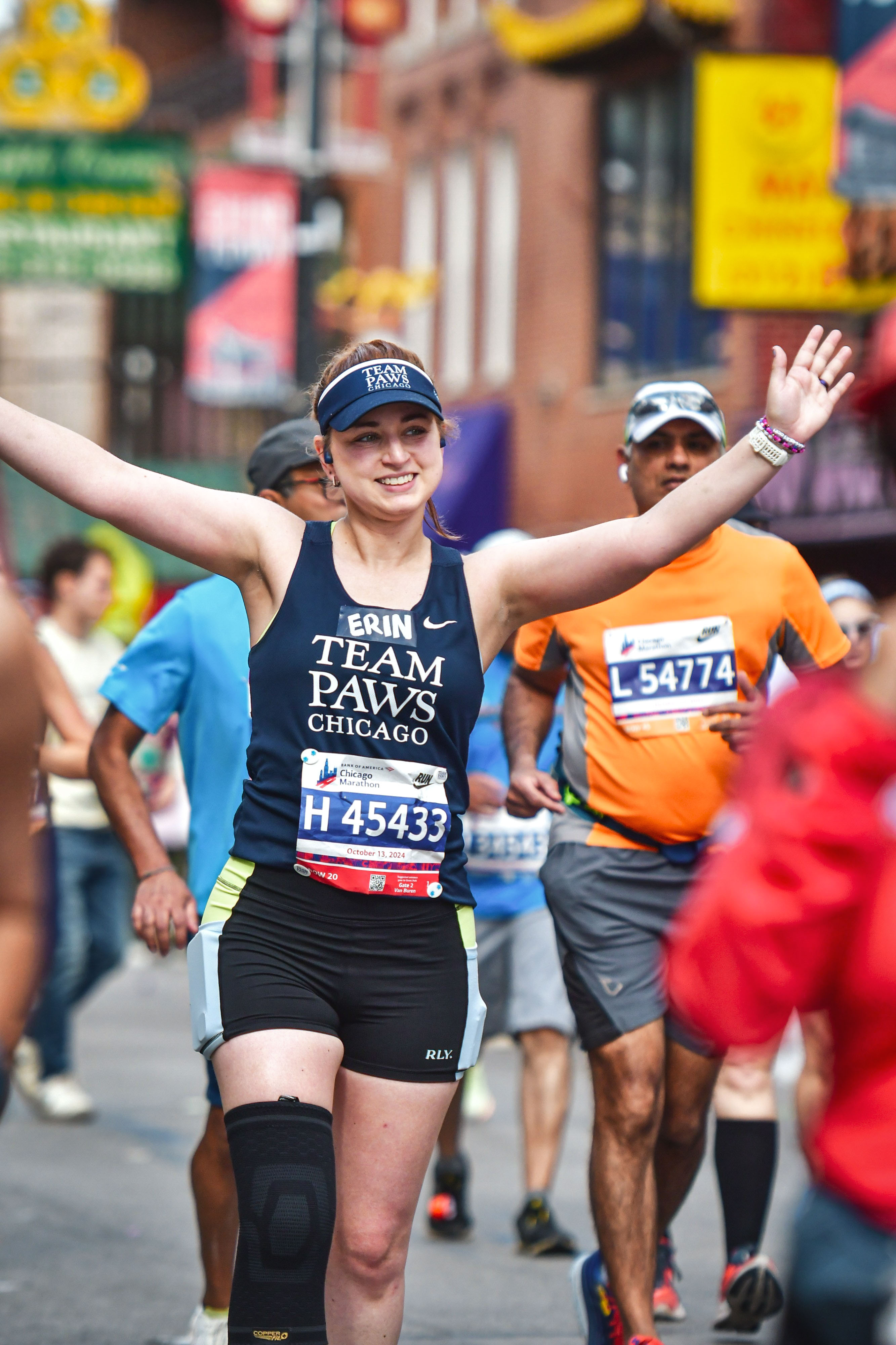
I skipped second breakfast and found out exactly why you shouldn't do that.
TW: Includes discussion of eating disorders and weight loss.
Week 8 of marathon training was an emotional rollercoaster. I woke up Monday unable to put weight on my ankle, whined about it all over the Internet, and by Wednesday was pretty much back to normal.
I even got out (on time) for my long run on Saturday, ran the mileage, didn’t reinjure myself, AND found a new trail that will give me enough of a mindless out-and-back to finish all of my training runs. Wins all around right?
Well, that was until I skipped second breakfast.

That’s right, Peregrin (Pippin) Took is better at fueling than I am (if you don’t get the reference, see here, and also I don’t know if we can be friends anymore).
I want to clarify a few things before I go further: I am not a dietician or nutritionist. I have actually been pretty vocal that when it comes to fueling my runs, I barely know what I’m doing, and I go by feel more than math (and that has screwed me over, many, many times. Have I learned my lesson? Clearly not). If you are looking for real nutrition advice, backed my science and people with real qualifications, I recommend a few resources at the end of this post.
But I can tell you a few things with absolute certainty:
Fueling is incredibly important for endurance athletes.
Fueling is not just about taking gels or drinking electrolytes during a run.
What you eat and drink before, during, and after a run are all important to your performance and recovery.
When I first started running, I ran fasted a lot of the time. I didn’t like the feeling of food sloshing around in my stomach, or having to find bathrooms, so I just didn’t eat. Spoiler alert: this is a terrible idea. And then I wondered why I hated running and every run felt terrible.
As a rule, fueling is very individual. What works for one runner rarely works perfectly for another. But there are a couple of basics.
As a running coach, I will always tell you that you should be fueling before you feel like your body absolutely needs it. Once you are starving on a run, I’m sorry, but it’s too late.
For shorter runs, you should (generally) be fueling 30-60 minutes before your run, and for longer runs on the weekend, I always eat well the night before (and hydrate), and then usually consume a small breakfast of easy-to-digest carbs before heading out the door. And you should practice your fueling! I didn’t practice enough during my first marathon training block, couldn’t stomach anything past Mile 17, and it contributed to 1) a terrible back half of my marathon and 2) recovery that took 48 hours before I could even move off the couch.
And, although we often forget or ignore it, post-run nutrition is very, very important. It’s essential for recovery, which helps with performance and getting back out there for the next training run. Again, this is always dependent on the individual, but general recommendations suggest consuming a 3:1 protein-to-carb ratio within 30 minutes of exercise. And on Saturday, well, I just skipped that step.
Cue feeling nauseous and zonked out on the couch for a couple hours on Saturday.
I think runners struggle with fueling for a lot of reasons. Personally, I started running partially as a weight-loss tool, and I have struggled with my weight and body image since I was 11. Eating extra snacks, especially carb-filled ones, never felt like it aligned with the goal of weight loss. And while I no longer rely on running as a weight loss tool, it is hard to break those habits and that mindset.
As I was wracking my brain trying to figure out the cause of my injury flare-up, the only thing I could think of was that I had been somewhat restrictive in my eating lately because I didn’t want to gain a ton of weight marathon training (for the three marathons I have trained for, during the first I gained quite a bit of weight, lost weight during the second - likely because I stopped drinking - and stayed status quo during the third). It is incredibly hard for people, especially women who grew up during the height of heroin chic, to wrap their heads around doing something for their health that ultimately might make the number on the scale trend upwards. And while running has helped heal my relationship with food, I know there are still many times where that voice of doubt creeps back in.
Ultimately, what helps me on the days where that voice is louder, is asking myself if I want to be skinnier, or if I want a continued relationship with running and improvement in my running. Cutting calories and restricting foods are not the way to improve performance, particularly when you are training for a long distance. And, as we well know, it often results in injuries, some of which might end running careers (or, in my case, hobbies) completely. Is a couple of pounds on the scale worth losing that?
So this weekend, when you come in from your long run, take Pippin’s advice and eat the second breakfast.
Nutrition Resources for Endurance Athletes:


Comments